Engineering systems that remain stable under real-world constraints.
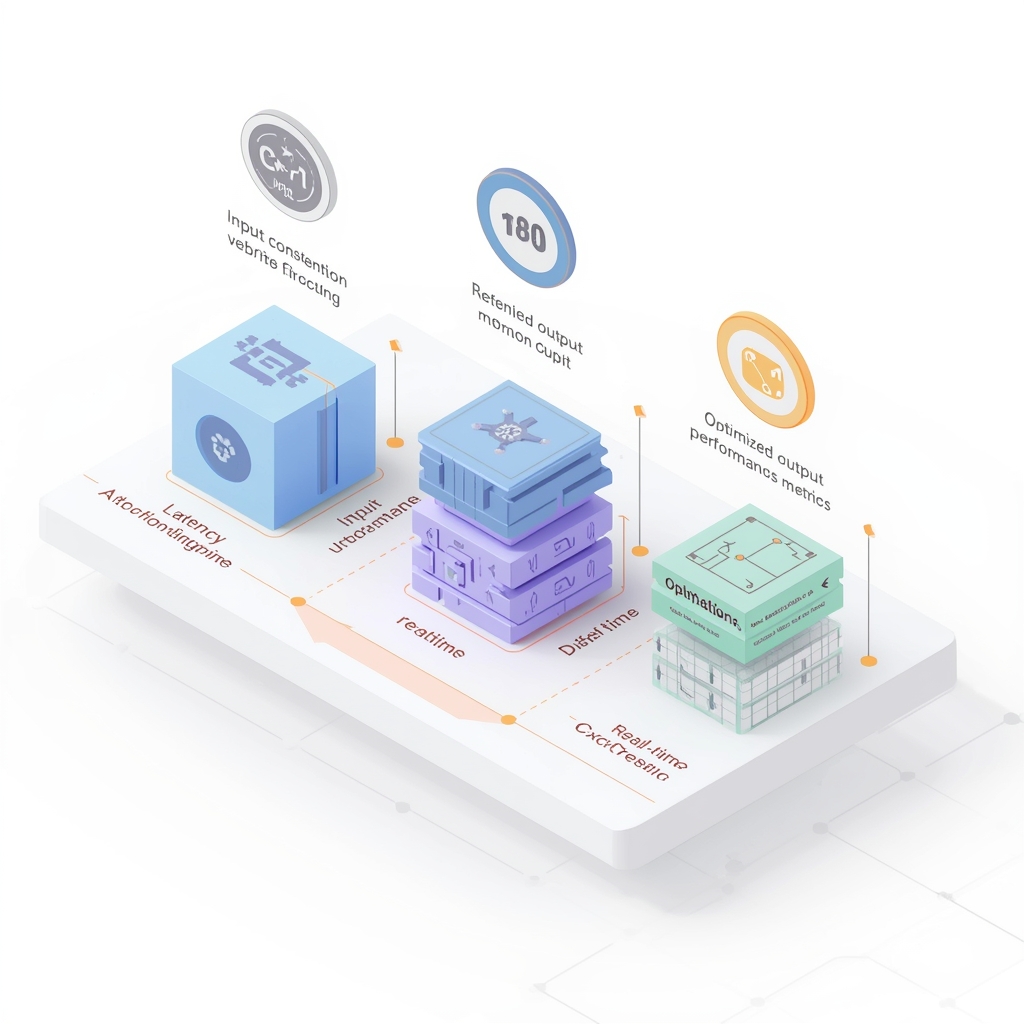
We design the computational core of decision systems — algorithms that optimize, adapt, and remain stable under real constraints.
We build constraint solvers, optimization methods, search and planning algorithms, and adaptive heuristics that operate within strict bounds: latency budgets, memory limits, and real-time requirements.
constraint-aware optimization algorithms
hybrid search and planning methods
adaptive methods for non-stationary environments
performance-critical implementations (C++ / CUDA)
WHAT WE BUILD
We engineer the model layer of decision systems — models that predict, adapt, and degrade gracefully under operational reality.
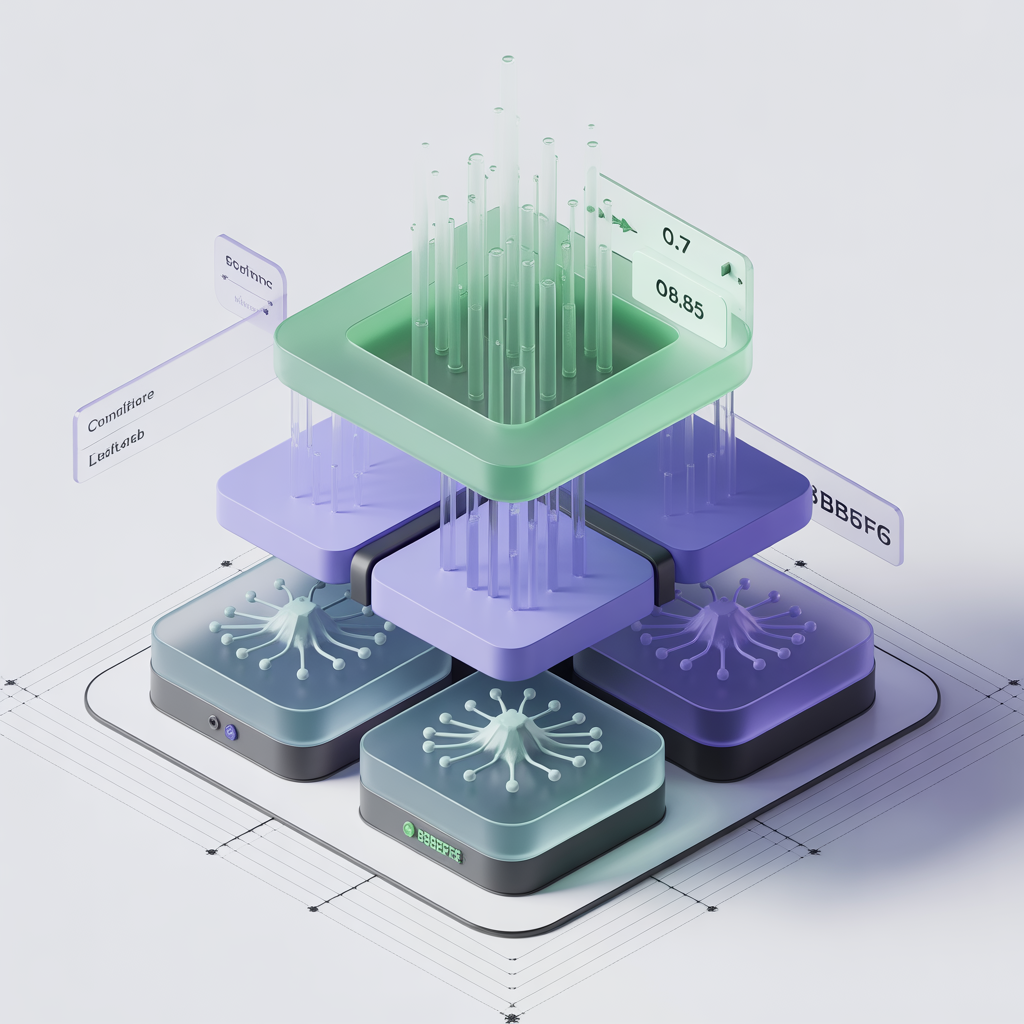
Every model component is built for deployment, with explicit assumptions, measurable uncertainty, and controlled integration into production systems.
We build:
ensemble architectures with explicit fallback logic
calibrated uncertainty and prediction intervals
drift detection and adaptive retraining triggers
production integration with schema and feature validation
This is model engineering for deployment — built to survive production.
THE FAILURES WE ENGINEER AROUND
Production systems do not fail in theory. They fail under drift, latency, bad inputs, broken assumptions, and unsafe rollout conditions.
These are common failure modes we design around:
silent distribution shift → drift detection + fallback
no uncertainty bounds → calibrated intervals
no degradation strategy → safe defaults + hierarchy
data quality breaks pipelines → schema + feature validation
unsafe updates → versioning + shadow + rollback
latency SLA violations → p50 / p95 / p99 profiling + safeguards
We do not engineer for edge cases after the fact.
We engineer around failure from the start.

HOW WE BUILD FOR PRODUCTION
Every model we deploy is built around four guarantees:
Graceful degradation — when inputs fall outside the training distribution, the model defaults to safe behavior instead of failing silently.
Calibrated uncertainty — every prediction includes an explicit confidence bound. If the model does not know, the system exposes that uncertainty.
Reproducible behavior — same inputs, same configuration, same output behavior. Full version control from training data to deployed artifact.
Validated before rollout — no model reaches production without stress testing, shadow deployment, and rollback verification.
We don’t hand over notebooks. We hand over production-grade systems.
WHEN PRODUCTION STARTS PUSHING BACK
When you need model engineering
Drift hits and you learn from incidents
Validation looks great—production fails
You can’t tell when the model doesn’t know
Updates ship without safe rollout or rollback
p99 latency spikes under real load
Integration breaks on missing values or schema changes
Build models that survive production
Tell us what breaks, what constraints define the system, and what success must look like in production.
We will outline a technical path — architecture, validation, and deployment — before commitments are made.
define constraints
align on validation and SLAs
receive a technical proposal
We map the failure modes before we write code.
© 2026 XKALIUS. All rights reserved.