Critical Systems Engineering
Review the system before production finds the failure boundary.
Some systems look ready because they pass evaluation, component checks or internal validation.
But production does not test systems under clean conditions.
It tests timing, degraded signals, fallback, observability, operator trust and recovery under pressure.
XKALIUS reviews critical systems before weak boundaries become operational damage.
Built for teams working with systems where weak behavior can affect decisions, continuity, safety margins, operational trust or business exposure.
Send a short description of the system, the decision your team needs to make, and where trust, fallback or exposure is unclear. No source code or full access is required to start.
THE PROBLEM
A system can keep running while control is already degrading.
The dashboard stays green.
The model returns outputs.
The control sequence executes.
The recommendation appears.
The workflow moves.
But operators start checking other screens.
Engineers wait before acting.
Fallback depends on experience.
Monitoring shows activity, but not trust.
That is where operational risk begins.
Not when the system collapses.
When nobody can clearly say when it should be trusted, restricted, escalated or stopped.
WHAT XKALIUS REVIEWS
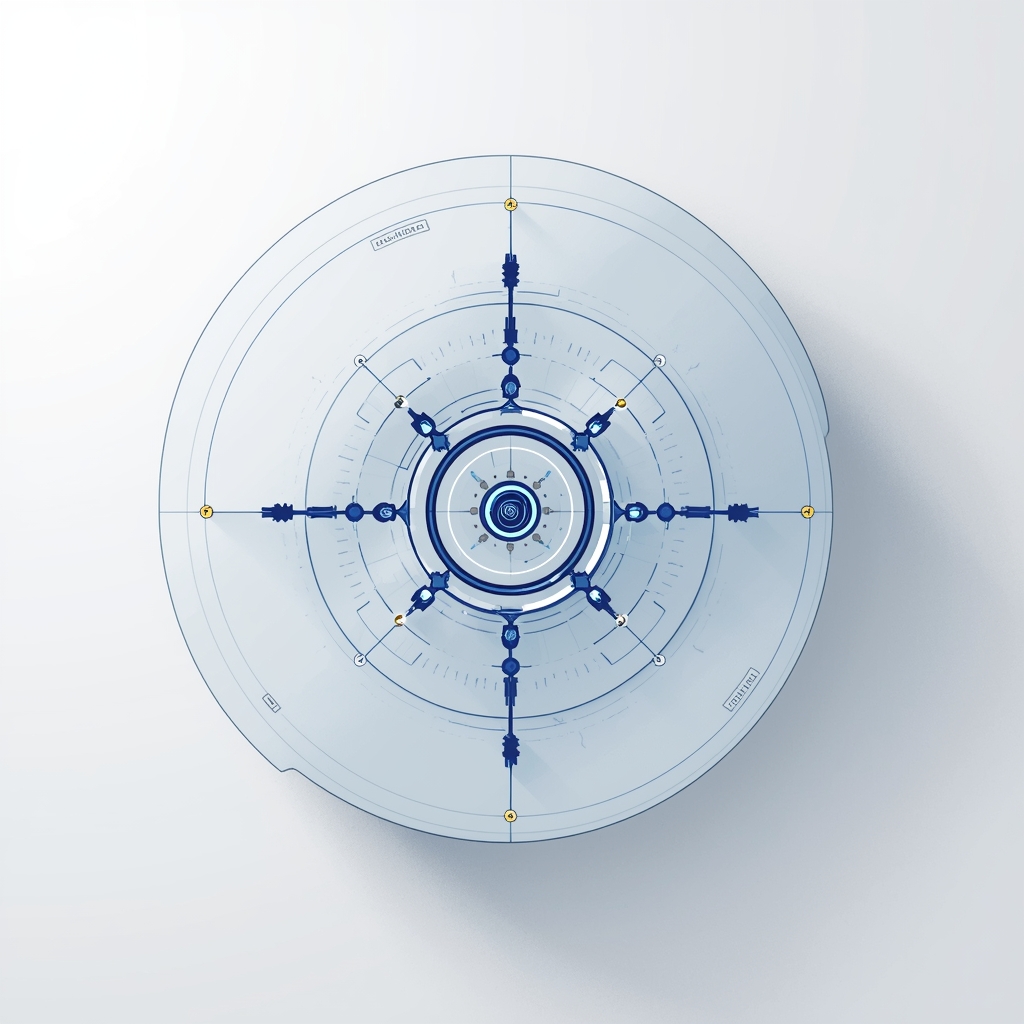
XKALIUS looks at whether the system remains coherent under real operating pressure.
We review where control holds, where it starts to weaken and what should not move forward without stronger evidence.
The review may include:
- timing behavior
- state consistency
- degraded inputs
- fallback paths
- escalation logic
- operational observability
- rollback criteria
- manual compensation patterns
- model-supported decisions when they affect real operations
The question is not only:
Does the system work?
The question is:
Does the system remain controlled when conditions degrade?

WHAT YOU RECEIVE
The primary output is an Operational Coherence Map.
It is a technical decision artefact showing:
- where the system remains controlled
- where trust starts to weaken
- where fallback or escalation should activate
- where monitoring is not enough
- where wider exposure should be restricted
- whether the system should move forward, hold or be reviewed further
A focused review gives engineering, operations and leadership a clearer basis for deciding what the system can safely do next.
The goal is not more documentation.
The goal is a decision your team can act on.
A useful review should help the team move from uncertainty to a clearer operational decision:
continue, restrict exposure, define stronger controls, or hold before wider deployment.
The value is not the map itself.
The value is knowing what the system can safely do next — and what should not be trusted yet.

REFERENCE PATTERNS
Detailed client names are not always publishable because the systems involved are operationally sensitive.
Where confidentiality allows, XKALIUS uses anonymized technical patterns to show the type of control issues we review.
Examples include:
Energy operations
Forecasting, telemetry, EMS logic, dispatch recommendations, battery state, grid export signals and operator override patterns.
Clinical workflows
Decision-support, workflow routing, recommendation logic, escalation criteria and multi-site rollout behavior.
Industrial control
Process drift, sensor degradation, delayed warning signals, inspection logic, control sequences and manual correction patterns.
The point is not to show logos.
The point is to show the operating pattern: systems that appear acceptable in evaluation, but need clearer boundaries before wider exposure.
The first step is a fit review based on system context.
You send a short description of:
- what the system does
- where it is deployed or expected to be deployed
- what decision your team needs to make
- where trust, fallback, escalation or exposure feels unclear
- what happens if the system behaves weakly under real conditions
If there is a fit, the next step is a focused technical framing with the XKALIUS engineering team.
This is not a sales presentation.
It is a working technical conversation around the system, the operating context, the available evidence and the decision your team needs to make.
The review is assigned according to the system scope.
The work is carried out by XKALIUS engineering, with review direction assigned according to the technical scope of the system.
The team’s work is built around production validation, system reliability, operational observability, fallback behavior, model-supported decision systems and control under degraded conditions.
The purpose is not to provide generic consulting advice.
The purpose is to apply engineering judgment to whether the system can remain controlled under real operating pressure.
That may involve architecture, timing behavior, state consistency, fallback, observability, model behavior, decision authority or exposure risk.
A focused review typically includes:
- initial technical framing
- review of available evidence
- identification of control gaps
- definition of operating boundaries
- fallback, escalation or rollback findings
- Operational Coherence Map
- go / restrict / hold recommendation
The final deliverable is a structured technical review document designed for engineering, operations and technical leadership.
Source code access is not assumed.
If it becomes useful, XKALIUS defines why before scope is agreed.
Focused reviews are usually measured in weeks, not months.
As a commercial reference, focused reviews typically start in the low four figures. Broader reviews involving multiple systems, sites, workflows or regulated environments may move into the low five figures.
Final scope depends on system complexity, available evidence, production exposure, operational consequence and the decision your team needs to make.
DO NOT WAIT FOR PRODUCTION TO DEFINE THE FAILURE BOUNDARY
If the system is ready, the evidence should show it.
If it is not, the weak points should appear before production finds them for you.
Waiting usually gives weak fallback, missing observability and manual compensation more time to become normal operating behavior.
Send the system before production finds the boundary.
Send us the system context. We review the exposure risk. If there is a fit, we schedule a focused technical framing.

Engineering decision systems to remain reliable under real operating pressure
NAVIGATION
HOME
The Xkalius Method
Services
Case Studies
Request a Technical Briefing
Services
Critical Systems Engineering
Model Engineering for Production
Decision-System Validation
© 2026 XKALIUS. All rights reserved.